Buying guide
How to buy a mobile phone, the right way.*
Flagship, mid-range or budget — work out what you actually need and find it at the best price across the marketplace.
A phone is the device most people use more than any other, so it is worth a few minutes to match the spec to how you actually use it rather than to the marketing. The gap between a good mid-range phone and a flagship has narrowed dramatically: for most people the screen, the camera in daylight, and years of updates matter far more than the last few percent of raw speed. This guide covers the decisions that change your day-to-day experience and the price, then pulls up live listings so you can compare real offers.
Match the tier to how you use it
Phones split roughly into budget, mid-range and flagship tiers, and the right tier is the one whose weak points you will never notice. Budget phones handle calls, messaging, maps and light apps fine but slow down under heavy multitasking and take softer photos in low light. Mid-range phones are the sweet spot for most people — fast enough for years, capable cameras, and a fraction of a flagship price. Flagships earn their premium on sustained gaming performance, the best low-light and zoom photography, and the longest software support. Decide which of those you genuinely use before you pay for them.
Top picks right now
Live listings for this category, ranked by value from the current cache. Prices and availability update automatically.


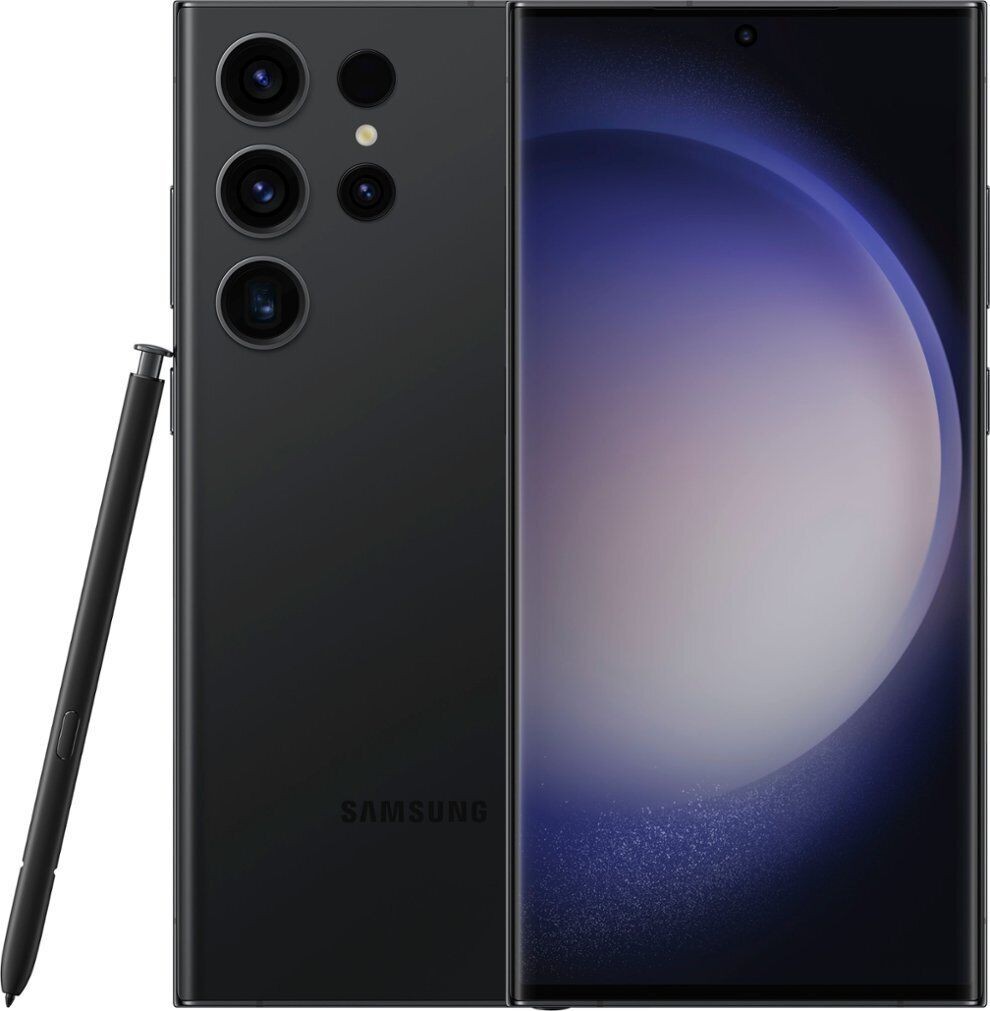
The specs that actually matter
A few numbers change the experience more than the rest. Battery capacity (and efficient software) decides whether you reach the end of the day comfortably. Storage is not upgradeable on most modern phones, so buy more than you think you need if you keep lots of photos or apps. Screen refresh rate makes scrolling feel smoother but costs battery. For the camera, more megapixels rarely beats a larger sensor and good processing, so read real sample shots rather than the headline number. Finally, check how many years of OS and security updates the maker promises — it is the difference between a phone lasting two years and five.
More value buys
Ranked from the same live cache — compare before you commit.


Getting the best price
Phone prices drop steadily after launch, and last year’s flagship is often a smarter buy than this year’s mid-range at the same price. The same model appears new, open-box, and certified-refurbished at very different prices, and carrier or region variants can differ in bands and warranty. Confirm the exact model and storage you want, check that it supports the network bands you need, then compare a few live listings on condition, warranty and shipping rather than trusting a single page’s price.
Common questions
- Is a flagship phone worth it over a mid-range one?
- Only if you specifically use what it does better — sustained gaming, the best low-light and zoom photos, or the longest update support. For calls, messaging, maps, social apps and everyday photos, a good mid-range phone is hard to tell apart in daily use and costs far less.
- How much storage do I need?
- Storage is usually not expandable, so err on the larger side if you keep lots of photos, videos or games. For light use, a smaller capacity is fine; for a phone you plan to keep for years, the next size up avoids running out later.
- Is a refurbished phone a safe buy?
- A certified-refurbished phone with a stated grade and a warranty can save a lot on the same model. Check the battery-health note, the returns policy and the exact condition, then compare the real listings below rather than assuming only new is safe.